





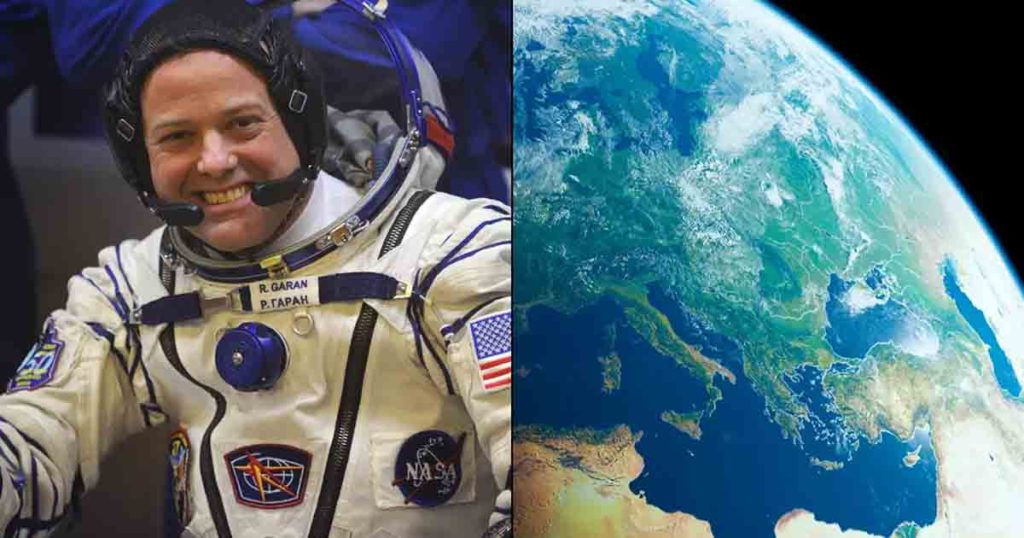

1. The Reality of Earth From Space
After spending 178 days in space, astronauts often return with a perspective that fundamentally changes their understanding of Earth. From the vantage point of orbit, Earth appears as a fragile, interconnected sphere, with borders and divisions seeming almost irrelevant. Many astronauts describe the planet as a single, living entity, where human-made distinctions seem artificial in comparison to the scale and beauty of the natural world.
This perspective challenges the common narratives that people grow up believing about competition, conflict, and division. The “lie” the astronaut refers to often relates to how individuals are taught to perceive the world through a limited, fragmented lens. From space, these divisions lose significance, and what becomes apparent is the unity of natural processes, ecosystems, and life as a whole.
Witnessing Earth from orbit also illuminates the planet’s vulnerability. The thin atmosphere, the vast oceans, and the interconnected climates remind astronauts of the delicate balance required to sustain life. This reality is often in contrast with how humans live on Earth, making the astronaut’s statement about the “lie” more impactful, as it underscores the contrast between perception and reality.
The experience also provides clarity on human impact. From space, environmental changes such as deforestation, urban sprawl, and pollution become evident on a global scale, revealing the consequences of human behavior in a way impossible to comprehend from the ground. This insight contributes to the transformative realization that many astronauts describe, prompting reflections on stewardship, responsibility, and the broader narrative of human existence.
2. The Illusion of Individual Importance
One of the most profound realizations for astronauts after extended space missions is the relative scale of human life against the vastness of the cosmos. The “lie” they often identify relates to societal emphasis on individual significance, status, or competition. From Earth orbit, cities, borders, and infrastructure are visible yet minuscule, highlighting that the majority of human concerns are minor in the larger context of the planet and universe.
This understanding shifts perspectives on personal ambition and social hierarchies. While on Earth, it is easy to overvalue personal achievements, accolades, and social recognition. Space travel reveals how fleeting these elements are when considered against the backdrop of the Earth as a whole.
Astronauts often return with a sense of humility and a desire to reframe priorities. The awareness of human scale fosters a broader understanding of purpose, emphasizing cooperation, shared well-being, and global responsibility over narrow self-interest. The “lie” becomes evident in daily human interactions, where trivial disagreements or ego-driven pursuits often overshadow collective progress and harmony.
Moreover, this realization contributes to a shift in mental and emotional well-being. Many astronauts report that they return more grounded, empathetic, and reflective, often sharing insights to inspire a re-evaluation of societal values. The contrast between human preoccupations and planetary reality highlights how perspective from space can fundamentally alter worldview.
3. Understanding the Fragility of Our Planet
Astronauts frequently describe Earth as a fragile and beautiful orb suspended in the void, a delicate ecosystem that supports life against the harshness of space. This insight contradicts everyday assumptions about permanence, resilience, and abundance. The “lie” they perceive is the belief that resources are limitless and that human activity has no long-term consequences.
From space, the thinness of the atmosphere is striking. Clouds, oceans, and forests appear interconnected, emphasizing the importance of ecological balance. Climate events, pollution, and deforestation are more apparent at scale, revealing the vulnerability of human civilization to environmental mismanagement.
The astronaut’s perspective often underscores the responsibility humans bear in preserving Earth. Awareness of fragility cultivates a sense of stewardship, challenging the misconception that the planet can endure infinite exploitation without consequence.
This realization reshapes priorities regarding sustainability, innovation, and collective decision-making. By seeing the entire planet in one glance, astronauts grasp the interconnectedness of life and natural systems, appreciating that small actions can have far-reaching impacts. The “lie” they speak of often refers to the societal narrative that human endeavors operate independently of natural limits, a belief that fades when the entirety of Earth is visible from space.
4. The Universality of Human Experience
Extended time in space often highlights the commonalities among humans rather than differences. Political, cultural, or geographic distinctions appear negligible when viewed from orbit. The “lie” the astronaut identifies is the exaggerated sense of division propagated on Earth, where conflicts, borders, and rivalries dominate social perception.
Seeing Earth from space reveals that all humans share the same atmosphere, depend on the same water and food systems, and exist on a singular ecosystem. This understanding fosters a profound sense of connection, empathy, and shared responsibility.
Astronauts often report that this realization transforms their interactions upon return. They approach relationships, policy discussions, and collaborative efforts with a greater appreciation for unity and common purpose. The illusion of separation is replaced with recognition of interdependence, inspiring global thinking over localized self-interest.
This universality also extends to the fragility of life. Space emphasizes the shared vulnerability of humanity, promoting a broader ethical perspective that prioritizes cooperation, empathy, and collective well-being over conflict or competition.
5. The Misconception of Human Control Over Nature
Many individuals believe that humans have complete control over the environment, resources, and climate. Astronauts who have seen Earth from space recognize this belief as a “lie” in the sense that it oversimplifies human influence and overestimates our dominance. While humans can significantly impact ecosystems, natural processes remain vast, powerful, and often unpredictable.
From orbit, planetary systems—oceans, weather patterns, and ecological cycles—are clearly visible, highlighting their complexity and resilience. Human activity is powerful locally but minuscule when considered in the context of global systems. Recognizing this limits hubris and fosters a sense of respect for natural processes.
Astronauts’ insights emphasize that real progress involves working with, rather than against, nature. Sustainable practices, climate stewardship, and long-term planning are essential for maintaining planetary balance. The “lie” pertains to the narrative that humanity can dominate without consequence; space experience demonstrates the need for humility, foresight, and collaboration.
6. Realization of Global Interconnectedness
One of the most profound insights astronauts gain from extended time in space is the realization of Earth’s interconnectedness. From orbit, it becomes clear that natural systems, weather patterns, and ecosystems are intricately linked. This interconnectedness challenges the “lie” often told on Earth—that countries, borders, or communities exist in isolation and can act independently of one another.
Witnessing Earth from space demonstrates that environmental issues in one part of the world inevitably affect distant regions. For example, deforestation or pollution in one country can contribute to climate instability, which, in turn, impacts ecosystems and human societies elsewhere. This holistic view encourages a shift from localized thinking to a global perspective.
Astronauts often describe feeling a sense of awe at how each element—oceans, forests, deserts, ice caps—contributes to the overall balance of the planet. They understand that human actions are never truly isolated. This awareness highlights the importance of global cooperation, sustainable practices, and collective responsibility.
By recognizing the planet as a single, interconnected system, astronauts develop a heightened appreciation for collaboration, policy alignment, and long-term environmental strategies. This global perspective is one of the key truths revealed when the “lie” of separation and isolation dissolves, showing the fragility and unity of life on Earth.
7. The Impermanence of Conflict and Division
Astronauts often report that extended exposure to the vantage point of space alters their perception of human conflict. Wars, political disputes, and societal divisions seem insignificant when viewed from orbit. The “lie” they identify is the illusion that conflict is permanent or that divisions define human existence.
From space, national borders are barely visible, cities look like small clusters, and territorial disputes appear trivial in the context of the planet as a whole. This perspective fosters a sense of humility regarding human disagreements and underscores the shared vulnerability and common needs of all people.
Astronauts return with an enhanced understanding that cooperation, empathy, and mutual understanding are far more impactful than conflict. They often emphasize that the preoccupation with division and rivalry distracts humanity from addressing more urgent global challenges, such as climate change, poverty, and resource scarcity.
This realization also reinforces the idea that long-term survival and prosperity depend on unity rather than continued conflict. The “lie” of divisive thinking is replaced by an appreciation for collective problem-solving and human solidarity.
8. Appreciation of Life’s Fragility
The perspective gained from space instills a profound appreciation for the fragility of life. Astronauts observe Earth suspended in the vast, hostile environment of space, surrounded by darkness and cosmic radiation, which underscores the delicate conditions that allow life to exist.
This realization exposes the “lie” that life on Earth is invincible or that humanity is immune to natural forces. The thin protective atmosphere, the finite availability of resources, and the interdependent ecosystems all highlight the vulnerability of life. For astronauts, this reinforces the importance of stewardship, conservation, and careful planning to sustain the biosphere.
The emotional impact of seeing Earth from orbit often leads to a renewed sense of purpose. Astronauts return with a desire to advocate for the planet, promote sustainable practices, and encourage others to recognize their shared responsibility for maintaining life’s delicate balance.
This appreciation for fragility also extends to interpersonal understanding. Just as Earth is delicate, so too is human life, and this insight fosters empathy, compassion, and a recognition of the preciousness of existence.
9. The Shift From Ego to Collective Responsibility
Extended exposure to space encourages a shift from ego-driven thinking to collective responsibility. The “lie” astronauts often recognize relates to the belief that individual power, ambition, or control are the most important factors in life. From orbit, the smallness of individual cities, nations, and even humans makes it clear that survival and progress depend on collaboration.
Astronauts see firsthand that global challenges—climate change, resource management, and environmental protection—cannot be solved in isolation. They understand that individual actions matter, but their impact is amplified when integrated with collective efforts.
This realization often reshapes priorities upon returning to Earth. Many astronauts advocate for teamwork, sustainable policy, and shared decision-making. The shift away from ego-centric thinking reflects a profound transformation in perspective: true power lies not in domination but in coordinated, conscious, and responsible action.
By embracing collective responsibility, astronauts encourage others to see the value of unity over competition and shared stewardship over unilateral control.
10. Recognition of Earth’s Beauty and Humility
Finally, astronauts frequently highlight the overwhelming beauty of Earth as seen from space, which fosters a sense of humility. The sight of blue oceans, white clouds, green forests, and swirling weather patterns against the blackness of space evokes awe and reverence. This beauty contrasts sharply with daily life on the ground, where people are often preoccupied with trivial concerns.
The “lie” in everyday perception is the tendency to take Earth for granted or to assume that its resources, beauty, and stability are infinite. Observing Earth from space reveals its uniqueness, fragility, and the delicate balance that sustains life. This experience encourages astronauts to communicate the importance of preservation and appreciation for natural systems.
Humility gained from witnessing Earth also influences personal perspectives on life, relationships, and priorities. Astronauts often report feeling less concerned with minor conflicts, social hierarchies, or material pursuits, choosing instead to focus on meaningful contributions, ethical responsibility, and the broader human experience.
The recognition of beauty, coupled with a heightened awareness of vulnerability, underscores a shift in worldview. It fosters respect, gratitude, and a long-term commitment to sustaining the planet for future generations.
11. Awareness of Environmental Impact
Astronauts returning from long-duration space missions often have an acute awareness of humanity’s environmental footprint. From orbit, human alterations—deforestation, urban expansion, and pollution—are visible at a scale impossible to comprehend from the ground. The “lie” they often describe is the misconception that human activity has no visible global consequences. Observing Earth reveals the interconnectedness of ecosystems, the delicate balance of natural resources, and the fragility of atmospheric systems. This perspective shifts priorities toward sustainability, conservation, and a mindful approach to natural resource use. The awareness gained emphasizes that humans are part of a complex planetary system, and mismanagement in one region affects the whole globe.
12. Understanding the Futility of Minor Conflicts
From space, local disputes, territorial conflicts, and political rivalries appear almost insignificant. Astronauts often reflect on the “lie” of perceived importance in human disagreements. Borders and divisions, so vital in daily life on Earth, are barely visible from orbit. This realization fosters humility and a sense of shared destiny among humans. Astronauts return with a mindset that prioritizes cooperation, collaboration, and understanding over petty disputes. Recognizing the transience and relative unimportance of minor conflicts encourages societies to focus on global challenges rather than divisive disputes, promoting long-term stability and human welfare.
13. Shift in Perspective on Human Achievement
Time spent in space provides astronauts with a unique vantage point on human achievement. Skyscrapers, monuments, and urban sprawl look small and fleeting, revealing the “lie” that human accomplishments are permanent or grand in the cosmic scale. This perspective leads to reflection on the true significance of personal and societal achievements. Astronauts often return with a desire to focus on endeavors that contribute positively to humanity, society, or the environment, rather than temporary displays of wealth, status, or power. This shift encourages a longer-term, values-driven approach to personal and collective goals.
14. Emphasis on Global Responsibility
Astronauts frequently emphasize the need for global responsibility after experiencing Earth from space. Seeing the planet as one interconnected system highlights the consequences of local decisions on a global scale. The “lie” they confront is the illusion of isolation, where individuals or nations believe actions are independent of global outcomes. Awareness of global responsibility fosters cooperative thinking, encourages policies that support sustainability, and promotes humanitarian efforts that transcend borders. This understanding underscores the importance of aligning human activity with the long-term health of the planet and its inhabitants.
15. Reevaluation of Personal Priorities
Extended space missions often trigger profound personal reflection. The “lie” astronauts realize is the exaggerated importance society places on materialism, competition, and superficial accomplishments. From space, it becomes evident that health, relationships, knowledge, and purposeful work carry far more significance. This realization drives astronauts to reevaluate personal priorities, emphasizing meaningful contributions and personal growth over transient achievements. Upon return, many adopt lifestyles centered around purpose, environmental stewardship, and humanistic values, reinforcing the impact of space experience on long-term thinking.
16. Recognition of Human Interdependence
The astronaut’s perspective from space highlights the interdependence of humanity. The “lie” often confronted is the belief in self-sufficiency or the illusion that individual or national actions exist in isolation. From orbit, the interconnectedness of water cycles, climate patterns, and ecological systems becomes apparent. This awareness reinforces empathy, collaboration, and shared responsibility. Astronauts often return advocating for cooperative initiatives, recognizing that human progress and survival depend on interconnected actions across borders, communities, and ecosystems.
17. Profound Sense of Humility
Experiencing Earth from space instills a profound sense of humility. The vastness of space, juxtaposed with the smallness of Earth, reveals the “lie” of human omnipotence. Personal struggles, societal hierarchies, and ego-driven pursuits are minimized when viewed against the vastness of the universe. This humility fosters introspection, ethical behavior, and a desire to contribute positively to society. Astronauts often share this lesson, encouraging others to recognize the limitations of human control and the importance of living harmoniously with nature and one another.
18. Heightened Appreciation for Life’s Fragility
Observing Earth from orbit emphasizes the delicate conditions that sustain life. The “lie” astronauts confront is the assumption that life is resilient and resources are unlimited. The thin protective atmosphere, limited water reserves, and sensitive ecosystems reveal vulnerability. Astronauts gain an appreciation for the fragility of life, which transforms their approach to decision-making, environmental stewardship, and interpersonal relationships. This perspective promotes caution, foresight, and an ethical approach to both personal and global actions, underscoring the importance of protecting life in all its forms.
19. Shift Toward Long-Term Thinking
Space experience encourages a shift from short-term thinking to long-term perspective. The “lie” recognized is the misconception that immediate gratification or short-term gain defines success. From orbit, astronauts observe patterns, cycles, and planetary systems that operate on scales far beyond human lifespans. This perspective encourages decisions that prioritize sustainability, intergenerational responsibility, and the long-term well-being of the planet. Astronauts often advocate for policies, practices, and lifestyles that reflect patience, planning, and foresight, reinforcing the value of considering the future in all aspects of life.
20. Enhanced Commitment to Global Advocacy and Stewardship
Finally, astronauts returning from extended missions often experience a deep commitment to advocacy and stewardship. The “lie” they confront is the perception that individual action is inconsequential. From space, it becomes clear that small actions, when multiplied globally, have profound effects. Astronauts often dedicate themselves to environmental campaigns, education, and global humanitarian efforts. This dedication is fueled by the understanding that protecting Earth, fostering cooperation, and promoting sustainability are responsibilities shared by all humanity. Their experiences provide credibility and urgency to their advocacy, inspiring others to reflect on their own impact and responsibilities.
Strong Conclusion
The reflections of astronauts after long-term space missions reveal profound truths about Earth, humanity, and perspective. The “lie” they identify encompasses misconceptions about human importance, permanence, division, control over nature, and independence from global consequences. Viewing Earth from space transforms understanding, instills humility, and fosters a sense of shared responsibility. Astronauts recognize the fragility of life, the beauty of the planet, and the interconnectedness of all systems, prompting a reevaluation of personal priorities, social behavior, and environmental stewardship.
This experience encourages a shift from ego-driven thinking to collective awareness, from short-term focus to long-term planning, and from isolationist perspectives to global interconnectedness. By sharing these insights, astronauts invite humanity to reconsider societal narratives, embrace cooperation, and acknowledge the profound responsibility of preserving life on Earth. Space offers a unique vantage point that transcends daily preoccupations, inspiring a holistic understanding of what truly matters, ensuring that the lessons learned are not only personal but universally relevant.