





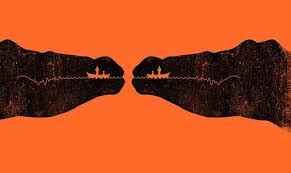





Why Some People Get Involved in Complicated Relationships: Psychological Insights

1. The Influence of Early Emotional Experiences One of the most significant psychological factors behind complicated relationships is early emotional experience, particularly during childhood. The way individuals are raised, the emotional environment they grow up in, and the nature of their early relationships with caregivers all contribute to how they perceive and engage in relationships
Read More

Ways to Be a More Attractive Man

1. Build Genuine Self-Confidence Confidence is one of the most noticeable traits in any attractive man. It influences how you speak, walk, make decisions, and interact with others. Genuine confidence does not come from arrogance or trying to impress people. Instead, it grows from self-awareness, preparation, and self-respect. To build authentic confidence, start by improving
Read More

Signs You’re a Dangerous Person

1. You Consistently Manipulate Situations to Get Your Way One of the strongest signs of being emotionally dangerous is the tendency to manipulate outcomes instead of communicating honestly. Manipulation can be subtle. It may not involve obvious deception. Instead, it often appears as selective information sharing, guilt-based persuasion, or emotional pressure designed to influence others.
Read More

Why Uncontrolled Desire Can Damage Relationships

1. Uncontrolled Desire Creates Unrealistic Expectations One of the most significant ways uncontrolled desire harms relationships is by creating unrealistic expectations. When a person strongly desires constant attention, validation, material success, or emotional perfection, they may begin to expect their partner to fulfill all those desires without limitation. At first, expectations may seem harmless. Wanting
Read More

Co-Sleeping and Its Impact on Lifelong Stress Regulation in Children

1. Understanding Co-Sleeping and Its Prevalence Co-sleeping, the practice of parents and children sharing a sleeping space, is a common tradition in many cultures around the world. While some societies view it as essential for nurturing bonding and security, others have debated its implications for independence and sleep quality. From a developmental perspective, co-sleeping is
Read More

Why Your Brain Needs Stress to Stay Sharp and Continue Growing

1. Understanding Stress: Not All Stress Is Harmful Stress is often perceived negatively, but neuroscience research highlights that not all stress is detrimental. While chronic, overwhelming stress can impair cognitive function and physical health, moderate, manageable stress plays an essential role in maintaining mental sharpness and adaptability. Acute or moderate stress acts as a signal
Read More

Physical Symptoms of Stress and How to Support Your Well-Being Naturally

1. Heart Palpitations and Rapid Heartbeat One of the most immediate and noticeable physical symptoms of elevated stress is heart palpitations. These are perceived as rapid, fluttering, or pounding heartbeats that can occur at rest or during minor activity. The connection between stress and palpitations is rooted in the autonomic nervous system, which regulates involuntary
Read More

Frequent nighttime trips to the bathroom could be an indicator of heart failure, research suggests

1. Understanding Nocturia and Its Link to Heart Health Frequent nighttime urination, medically referred to as nocturia, is a condition where individuals wake multiple times during the night to urinate. While occasional nighttime trips to the bathroom are common, persistent and frequent nocturia may indicate underlying health issues, including heart failure. The heart and kidneys
Read More

Sudden confusion or difficulty speaking: when it’s more than just fatigue

1. Recognizing the Difference Between Fatigue and Neurological Symptoms Fatigue is a common experience for many people and usually results in temporary tiredness, slower thinking, or reduced concentration. However, when confusion or difficulty speaking occurs suddenly and is disproportionate to the level of fatigue, it may indicate a more serious neurological issue. Unlike normal tiredness,
Read More