


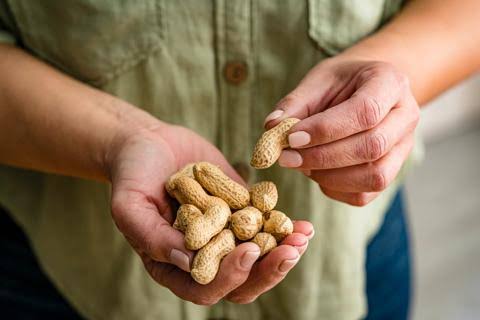


Peanuts are a simple, affordable, and versatile food that can be a valuable part of a balanced diet. Although they are technically legumes rather than tree nuts, peanuts are commonly grouped with nuts because of their similar nutritional profile and the way they are eaten. They provide protein, healthy fats, fiber, vitamins, minerals, and other beneficial plant compounds that can support overall wellness.
For women trying to build healthier eating habits, peanuts can be particularly convenient. They can be added to breakfast, salads, yogurt, oatmeal, or eaten as a simple snack. However, because peanuts are relatively calorie-dense, portion size still matters. Choosing minimally processed peanuts without excessive added salt or sugar can make them a more nutritious everyday option.
Here are some of the potential health benefits of including peanuts in a balanced eating pattern.
Peanuts Provide Plant-Based Protein
Protein is an important nutrient for maintaining muscles, supporting normal body functions, and helping you feel satisfied after meals. Peanuts contain a meaningful amount of plant-based protein, making them a convenient option for women who want to include more protein-rich foods in their diet.
A small serving of peanuts can be combined with other nutritious foods to create a satisfying snack. For example, peanuts can be paired with fruit or added to plain yogurt. They can also be incorporated into meals alongside vegetables and whole grains.
While peanuts can contribute to protein intake, they are best viewed as one part of a varied diet that includes other protein sources such as beans, lentils, eggs, fish, dairy products, and lean meats.
They Contain Heart-Friendly Unsaturated Fats
One reason peanuts have attracted attention from nutrition researchers is their fat profile. Peanuts contain predominantly unsaturated fats, including monounsaturated and polyunsaturated fatty acids.
Replacing some foods high in saturated fats with foods containing unsaturated fats can be part of a heart-conscious eating pattern. This does not mean that eating unlimited amounts of peanuts is beneficial, because they are still energy-dense.
Instead, a reasonable portion of peanuts can be incorporated into meals as an alternative to less nutritious snack foods.
Peanuts Can Help You Feel Full
The combination of protein, fat, and fiber in peanuts can make them a satisfying food. Feeling satisfied after eating may help some people manage unnecessary snacking between meals.
For women with busy schedules, a small serving of peanuts can be a convenient alternative to highly processed snacks. Pairing them with fruit can provide a combination of protein, healthy fats, fiber, and natural carbohydrates.
However, portion awareness is important because it is easy to eat a large quantity of peanuts without realizing how many calories they contain.
They Provide Dietary Fiber
Fiber plays an important role in digestive health and can also contribute to feelings of fullness. Peanuts contain dietary fiber, particularly when eaten as part of an overall diet that includes other plant foods.
Eating enough fiber generally means consuming a variety of foods, including vegetables, fruits, beans, lentils, whole grains, seeds, and nuts or peanuts.
If your current diet is low in fiber, increasing it gradually while drinking enough fluids can make the transition more comfortable.
Peanuts Contain Important Vitamins and Minerals
Peanuts provide several vitamins and minerals that contribute to normal body functions. These include niacin, vitamin E, magnesium, phosphorus, manganese, and other nutrients.
Vitamin E acts as an antioxidant, while magnesium is involved in numerous processes throughout the body. Niacin contributes to normal energy metabolism and nervous system function.
Because peanuts are normally eaten in relatively small portions, they should not be considered a replacement for a varied diet. Instead, they can complement other nutrient-rich foods.
They Provide Antioxidant Compounds
Peanuts contain antioxidants and other plant compounds that may help protect cells from oxidative stress. Their skins also contain various beneficial compounds, which is one reason less processed peanut products may retain more of the naturally occurring components found in whole peanuts.
A diet rich in different plant foods provides a broad range of antioxidants. Rather than relying on one “superfood,” nutrition experts generally encourage people to consume a variety of fruits, vegetables, legumes, nuts, seeds, and whole grains.
Peanuts can be one convenient part of that variety.
Peanuts May Fit Into a Weight-Management Diet
Despite their relatively high calorie content, peanuts can still fit into a balanced eating pattern for women who are trying to manage their weight.
Their combination of protein, fat, and fiber can make them filling, which may help some people feel satisfied with a modest portion. The key is portion control and choosing peanuts instead of less nutritious foods rather than simply adding them on top of an already high-calorie diet.
For example, replacing a highly processed snack with a small serving of unsalted peanuts can be a practical change.
They Can Be Convenient for Busy Women
One of the biggest advantages of peanuts is convenience. They require little preparation and can be stored easily, making them useful for work, travel, or days when there is little time to prepare a meal.
Keeping a small portion available can help you avoid automatically reaching for sugary or highly processed snacks when hunger strikes.
For a more balanced snack, try combining peanuts with an apple, banana, berries, or another piece of fruit. This creates a simple combination of nutrients that can be both satisfying and convenient.
Peanut Butter Can Also Be a Nutritious Choice
Peanut butter can provide many of the same nutrients as whole peanuts, but the nutritional quality varies between products.
When shopping for peanut butter, check the ingredient list and nutrition label. Products made primarily from peanuts, with little or no added sugar and excessive sodium, can be a practical choice.
Peanut butter can be spread on whole-grain toast, added to oatmeal, mixed into yogurt, or paired with fruit. As with whole peanuts, portion size is important.
Peanuts May Support a Balanced Breakfast
Adding peanuts or natural peanut butter to breakfast can increase the protein and healthy fat content of a meal.
For example, oatmeal topped with a small amount of peanut butter and sliced banana can be a satisfying option. Whole-grain toast with peanut butter and fruit is another simple combination.
Breakfast does not need to be complicated to be nutritious. Including protein, fiber, and healthy fats can help create a more balanced meal.
Choosing the Right Peanuts Matters
Not all peanut products are nutritionally identical.
Plain or dry-roasted peanuts with little added salt are generally easier to fit into a health-conscious eating pattern than heavily salted, sugar-coated, or candy-covered peanut products.
Flavored peanut products can sometimes contain significant amounts of sodium, added sugar, or other ingredients. Reading the nutrition label can help you make an informed choice.
If you prefer peanut butter, look for products with a simple ingredient list and compare sodium and added sugar levels between brands.
Portion Size Still Matters
Peanuts are nutritious, but they are also calorie-dense. Eating large amounts regularly can add substantial calories to your diet.
A small handful is often enough to enjoy their nutritional benefits as part of a meal or snack. Measuring a portion rather than eating directly from a large container can make it easier to stay aware of how much you are consuming.
Healthy eating is not about avoiding nutritious foods. It is about finding portions that fit your individual nutritional needs and overall lifestyle.
Be Aware of Peanut Allergies
Peanut allergy can be serious and, in some cases, life-threatening. Anyone with a known peanut allergy should avoid peanuts and follow their healthcare professional’s recommendations.
Parents and caregivers should also take peanut allergies seriously and follow appropriate guidance when introducing peanut-containing foods to children.
For people without an allergy, peanuts can be a nutritious food, but individual dietary needs always matter.
Final Thoughts
Peanuts may be small, but they offer an impressive combination of protein, unsaturated fats, fiber, vitamins, minerals, and beneficial plant compounds. For women looking for convenient foods that can contribute to a balanced diet, peanuts can be an excellent option when eaten in appropriate portions.
They can be enjoyed as a snack, added to oatmeal or salads, paired with fruit, or used as peanut butter on whole-grain toast. Choosing minimally processed varieties with limited added sugar and sodium can make them an even better everyday choice.
At the same time, no single food can provide everything the body needs. The healthiest approach is to enjoy peanuts as part of a varied diet that includes vegetables, fruits, whole grains, legumes, protein-rich foods, and other nutrient-dense ingredients.
With sensible portions and thoughtful food choices, peanuts can be a simple and satisfying addition to a woman’s everyday eating routine.