





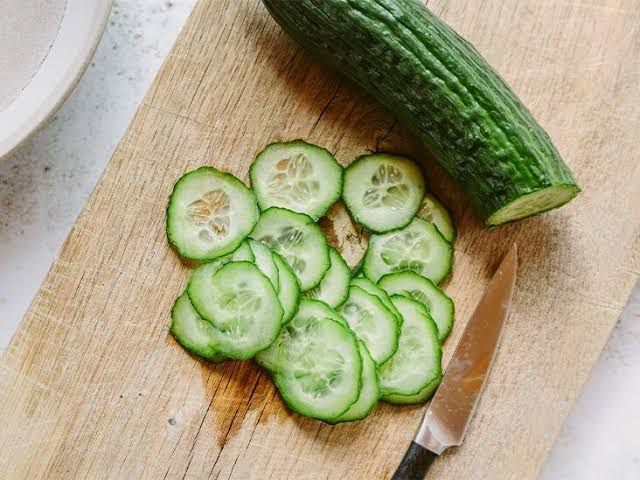

Cucumbers are one of those simple foods that often get overlooked despite being an easy and refreshing addition to a healthy diet. They are crisp, naturally hydrating, low in calories, and versatile enough to enjoy with breakfast, lunch, dinner, or as a quick snack. For women looking for simple ways to improve their everyday eating habits, adding more vegetables such as cucumber can be an easy place to start.
Nutrition experts generally recommend eating a variety of vegetables because each one provides a different combination of vitamins, minerals, fiber, and plant compounds. Cucumber may not be a miracle food, but it can contribute to a balanced eating pattern in several useful ways. From supporting hydration to providing important nutrients, this refreshing vegetable can be a practical choice for everyday wellness.
Cucumber Can Help Support Hydration
One of the most notable characteristics of cucumber is its high water content. Staying adequately hydrated is important for many normal functions throughout the body, including temperature regulation, digestion, circulation, and physical performance.
Although drinking water should remain the primary way to stay hydrated, water-rich foods can contribute to overall fluid intake. Adding sliced cucumber to meals or enjoying it as a snack can be an easy way to consume more fluids, especially during warm weather.
Some women may also find water-rich foods helpful when plain water becomes boring. Adding cucumber, lemon, or fresh herbs to a glass of water can make hydration more enjoyable without adding significant calories.
It Is Naturally Low in Calories
For women who are trying to maintain a healthy weight, cucumber can be a useful addition to meals because it is naturally low in calories while providing plenty of water and some fiber.
Instead of relying on highly processed snacks when hunger appears between meals, cucumber slices can provide crunch and volume. Pairing them with foods containing protein or healthy fats, such as hummus, Greek yogurt-based dips, or cottage cheese, can create a more satisfying snack.
However, healthy weight management is about the overall eating pattern rather than one particular food. Cucumber can support that pattern, but it should be combined with other vegetables, fruits, whole grains, proteins, and healthy fats.
Cucumber Provides Important Nutrients
Although cucumber is mostly water, it also provides several vitamins and minerals. Depending on the variety and whether the skin is eaten, cucumber can contribute nutrients such as vitamin K, vitamin C, potassium, and magnesium.
Vitamin K plays an important role in normal blood clotting and bone health. Potassium contributes to normal muscle function and helps support healthy blood pressure regulation.
Because cucumber is generally eaten in relatively small portions, it should not be considered a major source of every nutrient. Instead, it works best as one component of a varied diet containing many different vegetables and nutrient-rich foods.
Eating the Skin Can Provide More Fiber
If cucumbers are properly washed, eating the skin can be a simple way to retain more of the vegetable’s natural fiber and nutrients.
Dietary fiber is important for digestive health and can help support regular bowel movements. Fiber can also contribute to feelings of fullness, which may make it easier to manage overall food intake.
If you prefer peeled cucumber, there is nothing wrong with that. The most important thing is eating a variety of vegetables in forms that you enjoy and can consistently include in your meals.
It Can Support a Balanced Diet
Cucumber is particularly useful because it works well with many other nutritious foods. You can add it to salads alongside leafy greens, tomatoes, carrots, beans, or other vegetables. It can also be combined with eggs, chicken, fish, beans, or whole grains to create a more complete meal.
For women with busy schedules, simple foods that require little preparation can make healthy eating easier to maintain.
Keeping washed cucumbers in the refrigerator can also make them convenient when you need something quick. Having nutritious foods readily available often makes it easier to make healthier choices throughout the day.
Cucumber Contains Beneficial Plant Compounds
Like many vegetables, cucumbers contain naturally occurring plant compounds with antioxidant properties. Antioxidants help protect cells from oxidative stress caused by unstable molecules known as free radicals.
A diet containing a variety of colorful fruits and vegetables provides many different antioxidant compounds. This is one reason nutrition professionals generally encourage people to eat a wide range of plant foods rather than concentrating on one so-called superfood.
Cucumber can contribute to that variety, particularly when eaten alongside other vegetables.
It Can Be a Smart Alternative to Heavier Snacks
Many common snack foods are high in added salt, sugar, or calories. Replacing some of these options with fresh vegetables can be a simple way to improve the overall quality of your diet.
Cucumber slices can be enjoyed with hummus, a yogurt-based dip, or a small serving of cheese. You can also combine cucumber with tomatoes and herbs for a simple salad.
The goal isn’t to eliminate your favorite foods. Instead, adding more nutrient-rich options throughout the day can help create a healthier balance.
Cucumber May Complement Heart-Healthy Eating
A healthy diet for cardiovascular wellness typically emphasizes vegetables, fruits, whole grains, legumes, nuts, seeds, and other minimally processed foods. Cucumber can easily fit into this type of eating pattern.
Its potassium content contributes to normal cardiovascular function, while its low calorie content makes it easy to add to meals without significantly increasing energy intake.
However, cucumber alone cannot prevent or treat heart disease. Overall dietary habits, physical activity, sleep, stress management, and appropriate medical care all play important roles in cardiovascular health.
It Can Make Healthy Meals More Enjoyable
Healthy eating doesn’t have to be complicated. Sometimes the simplest ingredients make meals more enjoyable.
Cucumber provides a cool, crisp texture that can make salads, sandwiches, wraps, and bowls more appealing. You can combine it with herbs such as mint or parsley, add it to yogurt-based dishes, or use it alongside a protein-rich meal.
Enjoying the food you eat is important because sustainable eating habits are usually easier to maintain when meals are satisfying and flavorful.
There Are Many Easy Ways to Eat Cucumber
One advantage of cucumber is its versatility. It can be eaten raw, sliced into salads, added to sandwiches, or served alongside a meal.
A simple cucumber and tomato salad with herbs can make an easy side dish. Cucumber can also be added to Greek yogurt with herbs and spices for a refreshing dip.
For breakfast, sliced cucumber can accompany eggs or whole-grain toast. During the afternoon, cucumber with hummus can provide a light snack.
These simple options can help women incorporate more vegetables into their everyday routines without requiring complicated recipes.
What About Cucumber Water?
Cucumber-infused water has become popular as a refreshing alternative to sugary drinks. Adding a few cucumber slices to water can improve its flavor and may encourage some people to drink more throughout the day.
However, cucumber water should not be viewed as a special detox drink. Your body already has natural systems, including the liver and kidneys, that process and remove waste.
The main advantage of cucumber water is that it can make drinking water more appealing while adding a small amount of flavor.
A Few Things to Keep in Mind
Although cucumber is considered safe and nutritious for most people, individual tolerance can vary. Some people may experience digestive discomfort from certain raw vegetables, particularly if they are not accustomed to eating much fiber.
Cucumbers can also contain significant amounts of sodium when prepared as pickles. Fresh cucumber and pickled cucumber are therefore quite different from a nutritional perspective.
If you have a medical condition that requires specific dietary restrictions, it is best to follow advice from your healthcare professional rather than assuming that every healthy food is appropriate for your individual situation.
The Bigger Picture Matters Most
It’s easy to focus on one food when trying to improve health, but nutrition experts generally emphasize the overall quality of the diet.
Adding cucumber to an otherwise highly processed diet will not suddenly transform your health. A stronger approach is to gradually increase vegetables, fruits, whole grains, lean proteins, healthy fats, and other nutrient-rich foods while limiting excessive added sugars, highly processed foods, and excess sodium.
Cucumber can be a small but useful part of that bigger picture.
Final Thoughts
Cucumber is a simple, refreshing vegetable that can fit easily into a healthy lifestyle. Its high water content can contribute to hydration, while its low calorie content, fiber, vitamins, minerals, and plant compounds make it a useful addition to a balanced diet.
For women looking to improve their everyday eating habits, there is no need to search for complicated superfoods or restrictive diets. Simple choices made consistently can often have a greater impact. Adding cucumber to salads, snacks, sandwiches, or meals is one easy way to increase your intake of fresh vegetables.
The most important lesson is that cucumber is not a cure-all or a substitute for medical treatment. Its value comes from being part of a varied and balanced diet. When combined with regular physical activity, adequate sleep, good hydration, and appropriate healthcare, nutritious foods such as cucumber can contribute to a healthier and more sustainable lifestyle.