





1. Heart Palpitations and Rapid Heartbeat
One of the most immediate and noticeable physical symptoms of elevated stress is heart palpitations. These are perceived as rapid, fluttering, or pounding heartbeats that can occur at rest or during minor activity. The connection between stress and palpitations is rooted in the autonomic nervous system, which regulates involuntary bodily functions, including heart rate. When stress levels rise, the sympathetic branch of this system—the “fight or flight” response—is activated. This triggers the release of stress hormones like adrenaline and cortisol, which can increase heart rate, constrict blood vessels, and heighten cardiac sensitivity.
Individuals experiencing stress-related palpitations may also feel a sense of anxiety or heightened alertness simultaneously, creating a cycle where stress amplifies heart sensations, and heart sensations amplify stress. Over time, these symptoms can lead to fatigue, sleep disruption, and decreased overall cardiovascular efficiency.
Studies suggest that practicing stress-management strategies can reduce the frequency of palpitations. Techniques such as controlled breathing, meditation, and progressive muscle relaxation help regulate the nervous system, lower stress hormone levels, and restore a sense of cardiac calm. Regular physical activity, such as walking, swimming, or yoga, supports healthy cardiovascular function while simultaneously reducing stress-induced symptoms.
It is important to note that while stress-related palpitations are often benign, sudden, persistent, or severe episodes should be evaluated by a healthcare professional to rule out underlying heart conditions. Recognizing palpitations as a potential stress signal allows individuals to adopt lifestyle interventions and prevent escalation of symptoms over time.
2. Tension-Related Headaches
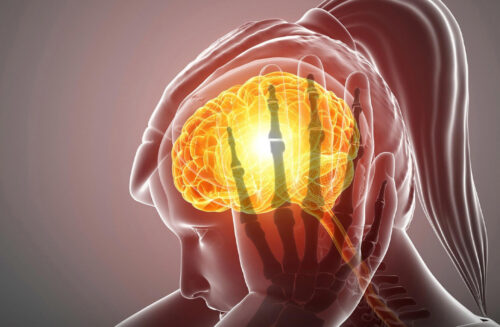
Tension-type headaches are a common physical manifestation of chronic stress. They are typically characterized by a dull, pressure-like sensation around the forehead, temples, or the back of the head. Stress-induced headaches occur because prolonged stress keeps the body in a state of heightened alert, leading to increased muscle tension in the scalp, neck, and shoulders.
The autonomic nervous system plays a key role here as well. Continuous activation of stress pathways can alter nerve signaling and blood flow, sensitizing pain receptors in the head and neck regions. These headaches may be persistent, worsen with mental strain, or intensify after long periods of poor posture, fatigue, or inadequate sleep.
Managing tension headaches often involves a combination of lifestyle interventions. Mindfulness-based stress reduction, yoga, gentle stretching, and maintaining good posture can relieve muscle tension and reduce headache frequency. Adequate hydration, limiting caffeine, and scheduled breaks during work or screen time also help.
Research suggests that addressing both the physiological and psychological aspects of stress is key to preventing headaches. Behavioral interventions that target stress reduction have been shown to decrease both the intensity and recurrence of tension headaches in various populations.
3. Gastrointestinal Discomfort and Acid Reflux
Stress can have a profound impact on the digestive system, often leading to discomfort, indigestion, or acid reflux. The gut and brain communicate closely through the gut-brain axis, which includes nerve pathways, hormones, and immune signals. Elevated stress levels can disrupt this communication, increasing stomach acid production, altering gut motility, and heightening sensitivity to digestive discomfort.
Individuals may experience bloating, heartburn, nausea, or an urgent need to use the bathroom. These responses are not indicative of structural problems in the digestive tract but rather reflect the body’s physiological reaction to prolonged psychological stress. Chronic stress may also worsen pre-existing gastrointestinal conditions, such as irritable bowel syndrome (IBS), by amplifying nerve signaling in the gut and changing digestive patterns.
Interventions that support digestive health include mindfulness-based stress reduction, controlled breathing exercises, and moderate exercise. Eating smaller, more frequent meals and avoiding highly processed or acidic foods during periods of high stress can help reduce discomfort. Additionally, maintaining regular sleep patterns supports the overall digestive rhythm, as the gut’s activity is influenced by circadian cycles.
4. Sleep Disruptions and Insomnia
Sleep disturbances are among the most prevalent physical manifestations of elevated stress. Stress can interfere with the body’s natural ability to transition into restorative sleep by keeping the autonomic nervous system in a state of heightened activation. Cortisol and other stress hormones may remain elevated at night, preventing the body from reaching deep, restorative sleep stages.
People experiencing stress-related sleep disruptions may have difficulty falling asleep, staying asleep, or waking up feeling unrefreshed. Chronic insomnia can then compound stress, creating a feedback loop where poor sleep further elevates stress hormone levels, exacerbates muscle tension, and impairs cognitive function.
Lifestyle interventions for sleep improvement focus on calming the nervous system before bedtime. Controlled breathing techniques, meditation, limiting screen exposure in the evening, and establishing consistent sleep schedules are all effective strategies. A comfortable sleep environment and avoiding late caffeine or alcohol consumption can also promote restorative sleep.
Medical research emphasizes that sleep is critical for both mental and physical health. Addressing stress as a root cause of sleep disruption can prevent long-term complications, such as cardiovascular strain, cognitive decline, and metabolic imbalance.
5. Elevated Blood Pressure
Chronic stress can lead to temporary or sustained elevations in blood pressure, reflecting the body’s heightened “fight or flight” response. When stress persists, the constant activation of the sympathetic nervous system triggers vasoconstriction, increases heart rate, and raises blood pressure. Over time, these physiological changes can strain the cardiovascular system.
Elevated blood pressure may not cause immediate symptoms, but it can contribute to headaches, dizziness, palpitations, and an increased risk of heart disease. The combination of stress-induced hypertension and other stress-related symptoms, such as insomnia and heart palpitations, highlights the interconnected nature of the body’s response to psychological strain.
Managing stress-related blood pressure increases involves both behavioral and lifestyle strategies. Regular physical activity, relaxation techniques, mindfulness exercises, and adequate sleep have all been shown to support healthy blood pressure regulation. Additionally, dietary adjustments, such as limiting sodium and processed foods while maintaining a nutrient-rich diet, can enhance the body’s ability to cope with stress physiologically.
Understanding elevated blood pressure as a potential manifestation of stress encourages proactive monitoring and early intervention, reducing the risk of long-term cardiovascular complications.
6. Muscle Tension and Stiffness
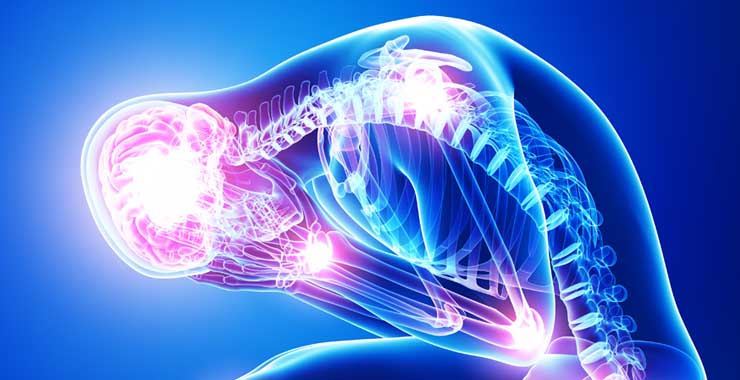
Muscle tension is a hallmark physical response to chronic stress. When the body is under prolonged psychological strain, the sympathetic nervous system maintains muscles in a semi-contracted state, preparing the body for “fight or flight.” This response, while protective in acute situations, becomes problematic when stress is ongoing, as it can lead to persistent tightness and discomfort in areas such as the neck, shoulders, back, and jaw.
Prolonged muscle tension can also create secondary symptoms. For instance, tight neck and shoulder muscles may contribute to headaches or reduced range of motion, while jaw clenching, often occurring during sleep or moments of high stress, can cause temporomandibular joint discomfort and facial pain. Additionally, ongoing tension can reduce circulation and limit flexibility, making movement more difficult over time.
Behavioral strategies can be highly effective in alleviating stress-induced muscle tension. Mindfulness exercises, yoga, and progressive muscle relaxation help individuals consciously release tension and retrain muscles to adopt a more relaxed baseline state. Massage therapy, heat application, and gentle stretching are also recommended as supportive interventions.
Addressing muscle tension is not only about relieving immediate discomfort—it is also about preventing a cascade of related symptoms that can interfere with sleep, focus, and overall physical well-being. Recognizing muscle tension as a physiological response to stress encourages a holistic approach, combining physical, behavioral, and psychological strategies to promote long-term relaxation and improved quality of life.
7. Gastrointestinal Upset and Nausea
Stress can profoundly impact the gastrointestinal (GI) system beyond acid reflux. Many individuals experience nausea, bloating, or a sense of “butterflies” in the stomach during periods of heightened stress. This occurs because stress hormones influence gut motility, alter digestive secretions, and can heighten sensitivity to normal digestive processes.
The gut-brain axis, which involves communication between the central nervous system and the enteric nervous system in the digestive tract, plays a central role in this process. When stress activates the autonomic nervous system, it can slow or accelerate digestion inappropriately, leading to discomfort, cramping, or changes in bowel habits. Individuals with pre-existing conditions like irritable bowel syndrome (IBS) may notice a worsening of symptoms during stressful periods.
Dietary and behavioral strategies can help manage stress-related gastrointestinal upset. Eating smaller, more frequent meals, avoiding highly processed foods, and maintaining hydration can support digestive health. Incorporating stress-reduction practices such as mindfulness, breathing exercises, and gentle physical activity has been shown to improve gut motility and reduce the frequency and severity of symptoms.
It is important to note that persistent gastrointestinal symptoms should be discussed with a healthcare professional to rule out other underlying conditions. However, understanding the direct link between stress and digestive discomfort empowers individuals to implement targeted strategies that support both mental and physical well-being.
8. Shallow Breathing or Hyperventilation
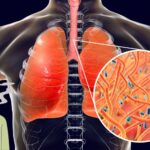
Elevated stress often affects breathing patterns. Individuals under prolonged psychological strain may notice shallow, rapid breathing or episodes of hyperventilation, particularly during moments of acute anxiety. This response is a result of the sympathetic nervous system signaling the body to prepare for perceived danger, increasing oxygen intake for “fight or flight.”
While short-term changes in breathing are a natural response to stress, chronic shallow breathing can create additional physical problems. Reduced oxygen delivery to tissues, increased heart rate, and dizziness are common side effects. Over time, this breathing pattern can contribute to muscle tension, headaches, and heightened feelings of anxiety, creating a cyclical pattern of stress and physical strain.
Correcting breathing patterns through controlled techniques is a well-documented strategy for mitigating stress-related symptoms. Practices such as diaphragmatic breathing, box breathing, and guided meditation help restore normal oxygen exchange, reduce heart rate, and calm the nervous system. Consistent practice not only alleviates immediate symptoms but also enhances resilience to future stressors.
Recognizing the link between stress and altered breathing encourages a proactive approach. By integrating conscious breathing exercises into daily routines, individuals can reduce physical strain, improve oxygenation, and support overall cardiovascular and neurological function.
9. Skin Reactions and Sensitivity
Stress can affect the skin in numerous ways, often making it more reactive or sensitive. Common manifestations include increased oiliness, dryness, itchiness, or the flare-up of pre-existing conditions like eczema, psoriasis, or acne. The underlying mechanism involves stress hormones, particularly cortisol, which can alter immune function, inflammatory responses, and skin barrier integrity.
Individuals under chronic stress may notice that minor irritants provoke stronger reactions, wounds heal more slowly, or skin redness and inflammation are more pronounced. Stress-related habits such as teeth grinding, nail-biting, or scratching can further exacerbate skin irritation.
Management strategies for stress-related skin changes include both external and internal approaches. Skincare routines that maintain hydration, protect the skin barrier, and minimize exposure to harsh chemicals are beneficial. Simultaneously, addressing stress through mindfulness, meditation, exercise, and adequate sleep helps regulate cortisol levels, reducing the likelihood of flare-ups.
Understanding skin changes as a physiological response to stress encourages a holistic approach to wellness, emphasizing both self-care and stress management. By addressing underlying stress, individuals can support skin health and reduce the frequency and severity of stress-related dermatological symptoms.
10. Fatigue and Low Energy Levels
Chronic stress significantly contributes to feelings of fatigue and depleted energy. Persistent activation of the sympathetic nervous system, elevated cortisol levels, and disrupted sleep patterns all converge to reduce physical and mental vitality. Even individuals who maintain healthy diets and exercise routines may notice that stress erodes endurance, motivation, and overall energy levels.
Stress-related fatigue often has multiple dimensions. Physically, muscle tension, increased heart rate, and hormonal imbalances can make movement feel more laborious. Mentally, anxiety, difficulty concentrating, and racing thoughts contribute to cognitive fatigue, which exacerbates the perception of low energy. Over time, these factors can impact productivity, mood, and general quality of life.
Addressing fatigue involves a multifaceted approach. Adequate sleep, regular physical activity, balanced nutrition, hydration, and stress-reduction practices collectively support energy restoration. Incorporating relaxation techniques such as meditation, progressive muscle relaxation, or even short mindfulness breaks during the day can improve mental stamina.
By recognizing fatigue as a signal of stress, individuals can prioritize interventions that enhance both physical and cognitive function. This proactive approach fosters resilience, improves overall well-being, and reduces the risk of long-term health complications associated with chronic stress.
11. Digestive Irregularities and Bowel Changes
Stress can significantly affect the gastrointestinal tract, not only causing acid reflux or nausea but also impacting bowel habits. Many individuals under chronic psychological strain report changes such as diarrhea, constipation, or alternating patterns of both. These digestive irregularities occur due to the gut-brain axis, a network of nerves, hormones, and immune signals that allow the brain and digestive system to communicate.
During periods of stress, the autonomic nervous system triggers a “fight or flight” response, which can accelerate or slow gut motility, depending on the individual. Stress hormones such as cortisol and adrenaline influence the contraction of intestinal muscles, alter fluid absorption, and impact the composition of gut microbiota. This can result in uncomfortable bloating, cramping, or irregular bowel movements.
Additionally, prolonged stress may exacerbate pre-existing gastrointestinal disorders such as irritable bowel syndrome (IBS), inflammatory bowel disease (IBD), or chronic constipation. Individuals may notice heightened sensitivity to certain foods, stronger reactions to digestive discomfort, or irregular timing of bowel movements. These changes often coincide with other stress-related symptoms like headaches, fatigue, and sleep disruption, illustrating the interconnected nature of stress responses.
Managing digestive irregularities under stress involves a multi-pronged approach. Dietary adjustments, including increased fiber intake, hydration, and avoidance of processed foods, can support healthy gut function. Stress-reduction strategies like mindfulness, controlled breathing, yoga, and regular physical activity have been shown to improve digestive regularity. By addressing both the physiological and psychological components, individuals can reduce discomfort, improve nutrient absorption, and maintain a healthier digestive rhythm.
12. Skin Flare-Ups and Rashes
Beyond minor sensitivity, chronic stress can contribute to visible changes in the skin, including flare-ups of eczema, psoriasis, hives, or acne. The underlying mechanism involves the immune system, which becomes dysregulated during prolonged stress. Elevated cortisol levels can increase inflammation, disrupt skin barrier function, and slow the repair of damaged skin cells, making the skin more reactive to external triggers.
Stress-related skin flare-ups are not merely cosmetic concerns; they can affect overall quality of life and exacerbate feelings of anxiety, creating a feedback loop. Individuals may notice red patches, itching, or increased oiliness during periods of high stress. These manifestations often worsen when combined with poor sleep, fatigue, or dietary factors, all of which can accompany chronic stress.
To manage stress-induced skin symptoms, a holistic approach is recommended. Skincare routines emphasizing hydration, gentle cleansing, and protection from environmental stressors help maintain skin health. Complementary interventions such as mindfulness, meditation, regular exercise, and adequate sleep reduce systemic inflammation and cortisol levels, supporting long-term skin resilience.
By recognizing the link between stress and skin health, individuals can implement strategies that protect their skin while simultaneously addressing the root cause of the flare-ups—psychological strain. This integrated approach supports both physical appearance and overall well-being.
13. Heightened Sensitivity to Pain
Chronic stress has been shown to increase sensitivity to pain. When the nervous system is in a heightened state of alert, it amplifies pain signals, making individuals more aware of discomfort from minor injuries, muscle soreness, or even chronic conditions. This heightened pain perception is partly due to prolonged activation of the sympathetic nervous system and alterations in hormone signaling that affect nerve sensitivity.
For example, tension headaches or back pain may feel more severe during stressful periods, even if there is no significant change in physical activity or posture. Similarly, individuals with conditions such as arthritis or fibromyalgia may experience flare-ups triggered or worsened by stress. This amplified perception of pain can also interfere with sleep, reduce exercise tolerance, and contribute to fatigue, further compounding stress levels.
Managing heightened pain sensitivity requires addressing both the physical and psychological components. Stress-reduction techniques like deep breathing, progressive muscle relaxation, meditation, and gentle exercise can lower sympathetic nervous system activity and reduce pain perception. Incorporating ergonomic support, physical therapy, or massage can further alleviate musculoskeletal strain.
Understanding that stress can modulate pain perception encourages individuals to approach discomfort holistically, rather than attributing all sensations solely to injury or disease. This perspective empowers proactive management of both stress and physical symptoms.
14. Frequent Headaches or Migraines
In addition to tension-type headaches, chronic stress can trigger migraines in susceptible individuals. Migraines are severe, often unilateral headaches accompanied by nausea, sensitivity to light or sound, and visual disturbances. Stress acts as both a trigger and an exacerbating factor for these headaches due to its effects on the nervous system, blood flow, and hormone regulation.
During periods of elevated stress, the autonomic nervous system can increase vascular constriction or dilation, altering blood flow to the brain. Stress hormones may also sensitize pain receptors, making headaches more intense or frequent. Migraines triggered by stress can disrupt work, social life, and sleep, creating a vicious cycle that further elevates stress levels.
Management strategies include a combination of lifestyle adjustments, stress-reduction techniques, and targeted migraine interventions. Consistent sleep schedules, hydration, dietary monitoring, mindfulness, yoga, and regular physical activity are effective preventive measures. Medical consultation may be necessary for prescription or over-the-counter interventions, particularly for frequent or severe migraines.
Recognizing the relationship between stress and headache patterns helps individuals anticipate triggers and adopt proactive strategies, reducing both symptom frequency and intensity.
15. Cognitive Impairment and Memory Challenges
Prolonged stress affects cognitive functioning, often manifesting as memory challenges, difficulty concentrating, or mental fog. Elevated cortisol levels can impact the hippocampus, a brain region involved in memory formation and recall. The chronic activation of stress pathways can also reduce blood flow to critical areas of the brain, further impairing cognitive performance.
Individuals may notice difficulty focusing on work tasks, remembering appointments, or making decisions. This cognitive strain can exacerbate stress, creating a cycle of frustration and decreased productivity. Sleep disruption due to stress amplifies these cognitive effects, as restorative sleep is essential for memory consolidation and mental clarity.
Effective management of stress-related cognitive impairment includes both lifestyle and behavioral strategies. Regular physical exercise, adequate sleep, mindfulness meditation, cognitive exercises, and structured routines enhance cognitive resilience. Nutritional support, including foods rich in omega-3 fatty acids, antioxidants, and B-vitamins, also supports brain health.
Addressing cognitive challenges in the context of stress underscores the importance of a holistic approach, integrating mental health strategies with physical well-being to restore clarity, focus, and overall quality of life.
16. Immune System Suppression and Increased Illness
Chronic stress can suppress immune function, making individuals more susceptible to infections such as colds, flu, or other viral and bacterial illnesses. Elevated cortisol and prolonged sympathetic nervous system activation can reduce the production and efficiency of white blood cells, impair antibody response, and disrupt the body’s natural defense mechanisms.
Stress-induced immune suppression often manifests subtly, with increased frequency of minor infections, prolonged recovery periods, or delayed healing of wounds. Individuals may notice a pattern of recurring colds or slower recovery from minor illnesses during stressful periods. This further emphasizes the interplay between mental and physical health, highlighting how psychological strain can have tangible effects on physiological resilience.
Strategies to support the immune system under stress include maintaining adequate sleep, a balanced diet rich in vitamins and minerals, regular moderate exercise, and consistent stress-reduction practices. Practices such as mindfulness, yoga, and controlled breathing not only reduce stress hormones but also promote immune regulation.
Recognizing the connection between stress and immune function encourages proactive health management, emphasizing the importance of lifestyle adjustments in maintaining long-term wellness.
17. Changes in Appetite and Weight
Stress can cause notable changes in appetite, leading to either overeating or reduced food intake. This occurs because cortisol and other stress hormones affect hunger-regulating pathways, including signals related to leptin and ghrelin. Some individuals may crave high-calorie “comfort foods,” while others may experience a loss of appetite, which can lead to weight fluctuations.
Over time, stress-related eating patterns can contribute to unhealthy weight gain or loss, impact energy levels, and exacerbate metabolic conditions. Weight changes may also affect self-esteem and mental health, adding further psychological strain. Stress-related dietary habits often coincide with other physical symptoms, such as fatigue, gastrointestinal upset, or sleep disturbances, illustrating the interconnected nature of stress responses.
Managing appetite and weight under stress involves both behavioral and nutritional strategies. Mindful eating practices, structured meal schedules, balanced nutrition, and stress-reduction techniques help stabilize appetite and promote healthy metabolism. Regular physical activity also supports energy regulation, reduces stress hormones, and helps maintain a healthy body composition.
Understanding the relationship between stress and eating patterns empowers individuals to adopt mindful, evidence-based interventions that protect both physical and mental health.
18. Dizziness or Lightheadedness
Elevated stress levels can cause dizziness or lightheadedness, often related to changes in blood pressure, rapid breathing, or heightened autonomic nervous system activity. These symptoms may occur during acute stress episodes or persist when chronic stress affects cardiovascular and neurological regulation.
Shallow or rapid breathing during stress can alter oxygen and carbon dioxide balance, leading to feelings of lightheadedness. Simultaneously, stress-related spikes in heart rate and blood pressure may create temporary imbalances in circulation, further contributing to dizziness.
Interventions for stress-induced dizziness include controlled breathing exercises, relaxation techniques, and physical grounding strategies. Maintaining hydration, ensuring regular meals, and incorporating gentle exercise can also improve circulation and oxygenation. Monitoring the frequency and severity of dizziness is important, as persistent episodes should be evaluated by a healthcare professional to rule out underlying cardiovascular or neurological conditions.
Recognizing dizziness as a stress-related symptom encourages holistic approaches that address both physiological and psychological contributors to balance and well-being.
19. Increased Sensitivity to Environmental Stimuli
Stress can heighten sensitivity to light, sound, and other environmental stimuli. This increased reactivity occurs because prolonged sympathetic nervous system activation lowers the threshold for sensory input processing, making everyday stimuli feel more intense or overwhelming.
Individuals may notice that bright lights, loud noises, or crowded environments trigger discomfort, irritability, or fatigue. This sensory amplification can contribute to avoidance behaviors, social withdrawal, or heightened anxiety, further perpetuating the cycle of stress.
Coping strategies include mindfulness-based interventions, controlled exposure to sensory input, creating low-stimulus environments when possible, and practicing relaxation exercises that recalibrate the nervous system. By managing environmental sensitivity, individuals can reduce stress burden and improve overall quality of life.
Understanding sensory reactivity as a stress response helps individuals recognize the physiological roots of their experiences, fostering greater self-awareness and targeted strategies for relief.
20. Fluctuations in Hormonal Balance
Chronic stress profoundly influences hormonal balance, affecting systems including reproductive health, thyroid function, and metabolic regulation. Cortisol, adrenaline, and other stress hormones impact insulin regulation, menstrual cycles, libido, and energy metabolism. Prolonged imbalance can contribute to irregular periods, fatigue, weight changes, and mood fluctuations.
Hormonal disruptions may amplify other stress-related physical symptoms, such as sleep disturbances, fatigue, digestive upset, and cognitive challenges. Addressing stress early and consistently is key to preventing long-term hormonal dysregulation.
Lifestyle interventions—regular exercise, balanced nutrition, adequate sleep, and mindfulness practices—support hormonal equilibrium. Medical evaluation may be warranted for persistent or severe symptoms, as stress interacts with underlying conditions such as thyroid disorders, diabetes, or reproductive health concerns.
Understanding hormonal fluctuations as a physiological manifestation of chronic stress underscores the importance of holistic self-care, combining behavioral strategies, lifestyle interventions, and professional support to restore balance and improve overall health.
Strong Conclusion: Addressing Stress for Holistic Health
Chronic stress affects the body in profound and measurable ways, manifesting in a wide spectrum of physical symptoms, including cardiovascular changes, digestive irregularities, headaches, muscle tension, sleep disturbances, cognitive challenges, and hormonal imbalances. These symptoms are interconnected, often creating cycles that amplify both psychological strain and physical discomfort.
Understanding stress as a physiological as well as psychological phenomenon empowers individuals to adopt comprehensive strategies for prevention and management. Evidence-based approaches—such as mindfulness, controlled breathing, regular exercise, balanced nutrition, adequate sleep, and reduced exposure to environmental stressors—can significantly alleviate symptoms, improve overall well-being, and reduce the risk of long-term health complications.
Early recognition of stress-related physical symptoms is critical. Individuals experiencing persistent or severe manifestations should seek evaluation from qualified healthcare professionals to ensure that underlying medical conditions are not overlooked and to receive guidance on personalized management strategies.
Ultimately, treating stress as a holistic concern that integrates mental, emotional, and physical health can restore balance, enhance resilience, and improve quality of life. By paying attention to the body’s signals and implementing targeted interventions, individuals can reduce the burden of stress and support long-term wellness in every aspect of life.