





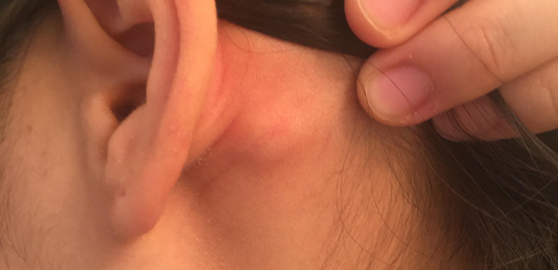

1. Understanding Lumps: What They Are and Why They Appear
A lump on the neck, back, or behind the ear can be alarming, but it is important to understand that lumps can arise from many different causes. They may be benign, meaning non-cancerous, or in rare cases, they can be a sign of something more serious. Lumps often form when tissues swell or cells accumulate in a localized area, resulting in a noticeable bump. Common causes include infections, inflammation, fluid accumulation, cysts, or benign tumors.
The location of a lump can also provide clues about its origin. For example, lumps behind the ear may develop due to blocked glands or infections in the scalp or ear. Neck lumps often involve lymph nodes reacting to infection or irritation, while lumps on the back could be related to skin, fatty tissue, or underlying muscle structures.
Doctors emphasize that understanding the basic nature of a lump is the first step in assessing its significance. While most lumps are harmless, awareness of potential warning signs—such as rapid growth, hardness, or pain—can help ensure timely evaluation. Recognizing the variety of causes reduces unnecessary anxiety and encourages individuals to seek medical advice when needed.
2. Common Benign Causes of Lumps
Many lumps are caused by benign conditions that are generally not dangerous. Swollen lymph nodes are among the most frequent causes. Lymph nodes, which are part of the immune system, can enlarge in response to infections like colds, ear infections, or skin infections. These nodes may feel soft, movable, and tender, and often resolve once the underlying infection is treated.
Other common benign causes include cysts, which are sac-like structures filled with fluid or semi-solid material. Epidermoid cysts, sebaceous cysts, or lipomas (fatty tissue lumps) are frequent contributors to lumps behind the ear, on the neck, or back. These lumps usually grow slowly, do not cause significant pain, and are generally harmless unless they become infected or grow large.
Understanding that benign lumps are common can help reduce panic and encourage careful monitoring rather than immediate alarm. While observation is appropriate for many benign lumps, medical evaluation is recommended if the lump persists, grows rapidly, or is associated with additional symptoms.
3. Infections as a Cause of Lumps
Infections are another frequent reason for lumps. Bacterial or viral infections can cause lymph nodes to swell as the body mounts an immune response. For example, a throat infection, ear infection, or dental issue can lead to noticeable neck lumps or lumps behind the ear. In these cases, the lump is often accompanied by tenderness, warmth, redness, or mild pain.
Skin infections can also create localized lumps, such as abscesses or boils. These usually appear red and tender and may drain pus if untreated. Children and adults alike can experience reactive lymph node swelling due to minor infections, and the lumps often reduce in size once the infection resolves.
Doctors advise monitoring for signs such as persistent fever, rapidly enlarging lumps, or lumps that do not improve within a few weeks, as these may require further evaluation. Proper hygiene, timely treatment of infections, and careful observation are important to manage infection-related lumps effectively.
4. Symptoms That May Indicate a Serious Condition
While many lumps are benign, certain characteristics may indicate a need for urgent medical assessment. Rapid growth, firmness, immobility, and lack of tenderness are features that warrant evaluation. Additionally, lumps accompanied by unexplained weight loss, night sweats, persistent fatigue, or persistent fever may require further investigation.
Location can also be important. Lumps that persist in the lower neck, under the jaw, or near the collarbone are sometimes more closely monitored, as they can be associated with systemic conditions. The presence of multiple lumps or lumps that continue to enlarge despite treatment can also be a red flag.
Doctors recommend not ignoring lumps that persist beyond two to four weeks. Even though many lumps are benign, early assessment ensures that any serious condition, including rare cancers, is detected promptly. Timely intervention often leads to better outcomes and provides peace of mind.
5. Self-Examination and Monitoring
Regular self-examination of the neck, scalp, and back can help detect lumps early. When checking, use gentle pressure to feel for bumps, noting size, texture, tenderness, and whether the lump moves under the skin. Keeping a record of changes over time helps healthcare providers assess the significance of any lump.
Parents and caregivers can also monitor children for lumps, particularly after infections or vaccinations, as lymph node swelling is common. It is important to differentiate between soft, movable, and tender lumps, which are usually less concerning, and hard, fixed lumps, which require evaluation.
Self-awareness, combined with timely medical consultation, ensures that benign conditions are monitored while potentially serious conditions are assessed promptly. Being proactive about lump detection contributes to overall health and reduces unnecessary anxiety.
6. Lymph Nodes and Their Role
Lymph nodes are small, bean-shaped structures that play a critical role in the immune system. They act as filters for foreign particles, such as bacteria or viruses, and contain immune cells that help fight infection. When the body encounters an infection or inflammation, lymph nodes can swell, forming noticeable lumps on the neck, behind the ears, or along the back.
Swollen lymph nodes are generally soft, tender, and movable, often indicating a reactive response to a recent infection. While these lumps can be alarming in appearance, they are usually harmless and subside once the infection resolves. The size, consistency, and tenderness of lymph nodes can provide valuable clues to doctors in determining the underlying cause.
In some cases, lymph nodes may remain slightly enlarged for a longer period, even after an infection has cleared. Doctors recommend monitoring the lump and seeking medical advice if it grows rapidly, becomes firm, or is accompanied by systemic symptoms like fever, night sweats, or unexplained weight loss.
Understanding the function of lymph nodes helps reduce unnecessary anxiety. Rather than immediately assuming the worst, individuals can recognize that the immune system is actively protecting the body and that most lymph node enlargements are temporary and treatable.
7. Cysts and Sebaceous Bumps
Cysts are sac-like structures filled with fluid, semi-solid material, or keratin, and they can appear almost anywhere on the body, including behind the ears, on the neck, or the back. Common types include sebaceous cysts, epidermoid cysts, and pilar cysts. These lumps are usually slow-growing, painless, and benign, though they can sometimes become infected or inflamed.
Sebaceous cysts form when skin glands become blocked, trapping sebum beneath the skin. These lumps often feel smooth and firm and may move slightly under the skin when pressed. While harmless, they can sometimes grow larger or develop redness and tenderness if infected.
Treatment for cysts depends on symptoms. Small, asymptomatic cysts often require no intervention, but larger or infected cysts may be drained or surgically removed. Doctors also emphasize not attempting to squeeze or pop a cyst at home, as this increases the risk of infection and complications. Recognizing cysts and their benign nature allows individuals to respond appropriately while seeking medical guidance if necessary.
8. Skin Infections and Abscesses
Localized infections of the skin, such as boils or abscesses, are common causes of lumps behind the ears, on the neck, or along the back. These infections usually result from bacteria entering the skin through minor cuts, insect bites, or clogged hair follicles. Abscesses often appear red, swollen, warm, and painful, sometimes with a visible pus-filled center.
Medical attention is important for abscesses, as untreated infections can spread to surrounding tissues or deeper layers, potentially causing systemic illness. Doctors may prescribe antibiotics or perform drainage procedures to resolve the infection safely.
Preventing skin infections involves maintaining good hygiene, promptly cleaning minor cuts, avoiding sharing personal items, and keeping the skin dry and clean. Recognizing early signs of infection—such as localized redness, tenderness, and warmth—allows for prompt intervention, reducing the likelihood of complications.
9. Allergies and Inflammatory Reactions
Occasionally, lumps may form due to allergic reactions or inflammation rather than infection. Swelling can occur in response to allergens like insect bites, certain foods, or environmental irritants. In these cases, the lump may be soft, red, and itchy rather than firm or fixed.
Doctors note that allergic or inflammatory lumps often appear quickly and resolve within a few days if the trigger is removed. Over-the-counter antihistamines or topical treatments can reduce swelling and discomfort. However, persistent lumps that do not subside should be evaluated to rule out other underlying causes.
Parents and caregivers are encouraged to observe children for any pattern of recurrent swelling linked to allergens. Early recognition and appropriate management prevent prolonged discomfort and ensure that benign allergic reactions are not mistaken for more serious conditions.
10. When to Seek Medical Attention
While many lumps are benign, certain characteristics warrant prompt medical evaluation. These include lumps that grow rapidly, are hard or immobile, persist beyond a few weeks, or are accompanied by other symptoms such as fever, night sweats, unexplained weight loss, or fatigue. Lumps that bleed, drain pus, or become increasingly painful should also be assessed without delay.
Doctors typically perform a physical examination, followed by diagnostic tests if needed, such as ultrasound, blood tests, or a biopsy, to determine the nature of the lump. Early assessment ensures that potentially serious conditions, including rare cancers or chronic infections, are identified and treated promptly.
It is essential to remember that seeking medical attention does not automatically indicate a severe condition. Rather, it allows for proper diagnosis, reassurance, and timely management. Being proactive protects health, reduces anxiety, and provides clarity on next steps for treatment or monitoring.
11. Thyroid-Related Lumps
Lumps in the neck can sometimes be linked to the thyroid gland, which is located in the front and lower part of the neck. Thyroid nodules are relatively common and are usually benign, but they can occasionally indicate thyroid cancer or other conditions requiring monitoring. These lumps may be firm or soft, movable, and sometimes associated with symptoms like changes in voice, difficulty swallowing, or a feeling of pressure in the throat.
Doctors recommend evaluation through ultrasound imaging and, if necessary, fine-needle aspiration to determine whether the nodule is benign or malignant. While most thyroid lumps are not cancerous, early assessment ensures timely intervention if needed. Maintaining awareness of thyroid function, including symptoms such as fatigue, temperature sensitivity, and weight changes, can provide additional context for evaluating lumps in this area.
12. Salivary Gland Lumps
Behind the ears or near the jawline, lumps can develop due to issues with the salivary glands. Swelling can result from infections, blockages, or benign tumors, and in rare cases, malignant growths. Common symptoms include tenderness, pain when chewing, dry mouth, or facial swelling.
Salivary gland lumps are often evaluated with imaging techniques, such as ultrasound or CT scans, to assess size, structure, and potential causes. Treatment depends on the underlying condition, ranging from antibiotics for infections to surgical removal for persistent or abnormal lumps. Doctors emphasize that prompt assessment helps differentiate harmless swelling from conditions that may require specialized care.
13. Lipomas and Fatty Tumors
Lipomas are soft, slow-growing lumps made up of fatty tissue. They can appear anywhere on the body, including the neck, back, or behind the ear. Lipomas are typically painless, movable, and non-cancerous, but they may become bothersome if they grow large or interfere with daily activities.
While lipomas generally do not require treatment, surgical removal may be considered for cosmetic reasons or discomfort. Regular monitoring is important to ensure the lump does not change characteristics, such as becoming hard, immobile, or painful, which may warrant further evaluation. Understanding lipomas helps patients differentiate between harmless growths and lumps that require medical attention.
14. Infections of the Ear or Mastoid Region
A lump behind the ear may sometimes indicate an infection in the ear or mastoid bone, which is the bony area behind the ear. Mastoiditis, an infection of the mastoid bone, can cause swelling, tenderness, redness, and sometimes fever. Early recognition and treatment with antibiotics are crucial to prevent complications.
Parents and adults alike should monitor for signs of ear discomfort, drainage, or persistent swelling. Prompt medical assessment ensures that infections are treated appropriately, reducing the risk of long-term damage and associated complications.
15. Skin Cancers and Rare Tumors
Although most lumps are benign, skin cancers or rare tumors can occasionally appear as lumps on the neck, back, or behind the ear. Characteristics that warrant evaluation include rapid growth, irregular shape, changes in color, bleeding, or tenderness.
Dermatologists and oncologists recommend biopsy or imaging to confirm the nature of the lump. Early detection is key to effective treatment and improved outcomes. Awareness of these rare possibilities encourages timely consultation without causing unnecessary panic.
16. Lymphoma and Other Blood-Related Conditions
Persistent, firm, non-tender lumps in the neck or behind the ear may sometimes indicate blood-related conditions such as lymphoma. Lymphomas involve abnormal growth of lymphocytes, a type of white blood cell, and can manifest as lumps in lymph nodes.
Symptoms may include night sweats, unexplained weight loss, fever, or fatigue. Doctors advise that lumps accompanied by systemic symptoms should be evaluated promptly. Early diagnosis allows for targeted treatment and better prognosis.
17. Post-Vaccination or Immune Response Swelling
Children and adults sometimes develop temporary lumps after vaccinations or immune responses to infections. These lumps are typically tender, soft, and resolve within a few days or weeks.
Doctors highlight the importance of differentiating these normal, temporary responses from persistent or abnormal lumps. Observing the duration, size, and tenderness of the lump helps determine whether further medical evaluation is needed. Most post-vaccination swellings are harmless and reflect a healthy immune system at work.
18. Trauma or Injury-Related Lumps
Lumps can develop as a result of trauma, such as a bump, bruise, or minor injury. Swelling occurs as the body reacts with inflammation and fluid accumulation. These lumps are usually tender, soft, and resolve over time.
Doctors recommend monitoring the lump for size changes, pain levels, and signs of infection. If the lump fails to improve or becomes harder, medical assessment is advised. Understanding trauma-related lumps helps individuals differentiate between harmless swelling and lumps that require investigation.
19. Caution With Home Remedies
While it may be tempting to apply home remedies, such as squeezing, massaging, or applying heat to a lump, doctors caution against these actions. Interfering with a lump can increase the risk of infection, inflammation, or further tissue damage.
Professional evaluation ensures that lumps are accurately diagnosed and appropriately managed. Self-treatment without guidance can complicate the condition and delay effective care. Awareness of safe practices promotes responsible health behavior while minimizing unnecessary risks.
20. Monitoring, Documentation, and Follow-Up
Careful monitoring and documentation of a lump’s characteristics over time are crucial. Individuals should note size, texture, tenderness, location, and any associated symptoms. Photographs or written records can help healthcare providers assess changes accurately.
Doctors recommend follow-up appointments to ensure that lumps resolve or to initiate investigations if changes occur. Timely evaluation balances vigilance with reassurance, reducing anxiety while promoting proactive healthcare. By combining observation, medical consultation, and appropriate diagnostics, individuals can ensure their lumps are managed safely and effectively.
Strong Conclusion
Lumps on the neck, back, or behind the ear are common and can arise from a variety of causes, ranging from benign conditions to infections or, rarely, malignancies. Understanding the nature of these lumps is essential for timely evaluation and effective management. Benign causes such as swollen lymph nodes, cysts, lipomas, and post-vaccination swellings are frequent and often resolve without intervention.
However, lumps that persist, grow rapidly, are firm or immobile, or accompany systemic symptoms should always be assessed by a healthcare professional. Medical evaluation may involve physical examination, imaging, blood tests, or biopsy to determine the underlying cause and guide treatment.
Awareness, careful monitoring, and prompt consultation ensure that serious conditions are not overlooked while minimizing unnecessary concern about benign lumps. Maintaining good hygiene, observing changes, and avoiding harmful self-treatments empower individuals to protect their health responsibly.
In conclusion, while most lumps are harmless, vigilance and timely professional guidance are the keys to peace of mind and safe management. Understanding the variety of causes, recognizing warning signs, and following medical advice enable individuals to address lumps effectively and maintain overall health.