





In recent years, scientists and researchers have been exploring new and innovative ways to combat cancer, a disease that has affected millions worldwide. One of the latest breakthroughs comes from a groundbreaking study that shows the potential of vitamin K precursors in targeting and destroying cancer cells. This new research is shedding light on a natural and accessible compound that could play a crucial role in the future of cancer treatment. In this article, we will dive into the details of the study, the science behind vitamin K precursors, and what this means for the future of cancer therapy.
What Are Vitamin K Precursors?
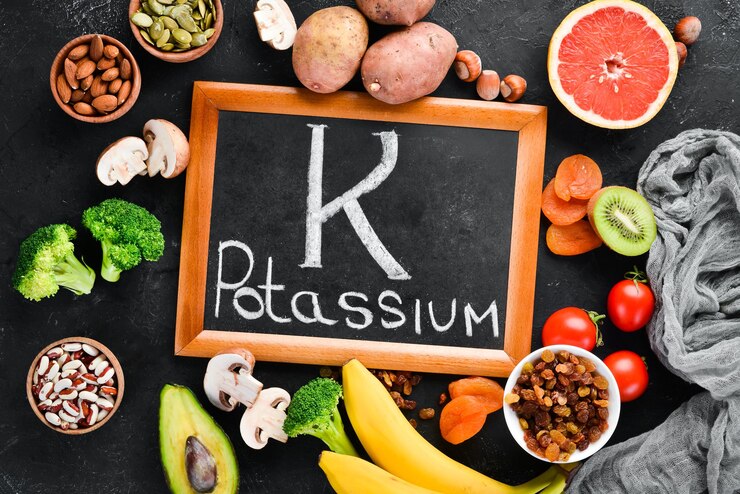
Vitamin K is a fat-soluble vitamin that plays an essential role in several bodily functions, most notably in blood clotting. The vitamin exists in two primary forms: Vitamin K1 (phylloquinone), which is found in leafy greens like spinach, kale, and broccoli, and Vitamin K2 (menaquinone), which is found in fermented foods and animal products. Both forms of vitamin K are crucial for maintaining health, particularly in bone health, cardiovascular function, and overall metabolic processes.
However, recent research has identified a precursor form of vitamin K that is not as widely discussed. These vitamin K precursors are compounds that the body can convert into active vitamin K forms. The new study reveals that these precursors could be more significant than previously thought, offering new hope in the fight against cancer. Specifically, the study suggests that vitamin K precursors have a unique ability to target and destroy cancer cells without harming healthy cells, an attribute that could revolutionize cancer therapies.
The New Study: Breaking New Ground in Cancer Treatment
The latest study, published in a leading medical journal, tested the effects of vitamin K precursors on several types of cancer cells, including breast, lung, and colon cancers. Researchers were stunned by the results, which showed that the vitamin K precursor compounds had a profound effect on reducing cancer cell growth and promoting cell death in the targeted cells.
The key findings of the study include:
- Selective Targeting of Cancer Cells: The vitamin K precursors demonstrated a remarkable ability to identify and target cancerous cells while leaving healthy cells unharmed. This selective targeting is a significant breakthrough compared to traditional cancer treatments, such as chemotherapy and radiation, which often damage healthy tissue in the process.
- Inducing Apoptosis in Cancer Cells: The study also found that vitamin K precursors trigger apoptosis in cancer cells. Apoptosis is a programmed form of cell death, and its induction in cancer cells means that the body’s natural defense mechanisms are activated, leading to the destruction of the tumor without causing inflammation or damage to surrounding tissue.
- Enhancing Immune Response: Another surprising finding was that vitamin K precursors appeared to enhance the immune system’s ability to recognize and attack cancer cells. This could potentially open the door for combining vitamin K precursors with immunotherapy to boost the overall efficacy of cancer treatment.
How Do Vitamin K Precursors Work on a Molecular Level?
The mechanism by which vitamin K precursors target and destroy cancer cells is still being explored, but early findings suggest that these compounds interact with specific cellular pathways that are involved in cell survival and proliferation. One of the key players in this process is a protein called Gas6, which is involved in regulating the survival of cells. Gas6 is often overexpressed in cancer cells, contributing to tumor growth and resistance to treatment.
Vitamin K precursors can regulate the activation of Gas6, leading to the inhibition of cancer cell survival. In other words, when vitamin K precursors are introduced into the body, they may interfere with the signaling pathways that cancer cells rely on to grow and spread, making the cells more vulnerable to natural cell death mechanisms.
Additionally, research suggests that vitamin K precursors may influence the expression of certain genes that are responsible for cancer cell growth. By modulating gene expression, vitamin K precursors can prevent cancer cells from multiplying and spreading, offering a natural and less toxic alternative to current treatments.
Vitamin K’s Role in Cancer Prevention
While the new study focuses on the potential of vitamin K precursors in treating existing cancer, it is essential to recognize the broader role that vitamin K plays in cancer prevention. Several studies have linked adequate vitamin K intake to a reduced risk of developing certain cancers, particularly those of the liver, prostate, and colon.
Vitamin K’s role in regulating calcium metabolism and reducing inflammation is thought to be part of the reason it may have cancer-preventative properties. For instance, vitamin K has been shown to prevent the calcification of blood vessels and tissues, a process that can contribute to the development of cancer. In addition, its anti-inflammatory properties may reduce the risk of chronic inflammation, which is a known contributor to the development of cancer.
Potential Benefits Over Conventional Cancer Treatments
One of the most promising aspects of the study on vitamin K precursors is the potential benefits they offer over conventional cancer treatments. Chemotherapy, radiation, and surgery are often the go-to treatments for cancer, but they come with significant side effects, including fatigue, nausea, hair loss, and damage to healthy tissue. Vitamin K precursors, on the other hand, appear to have fewer side effects, as they specifically target cancer cells without harming surrounding healthy cells.
Moreover, vitamin K precursors are naturally occurring compounds that are readily available through diet or supplements. This means that they could potentially be used as adjuncts to existing cancer treatments, helping to improve outcomes and reduce the need for more invasive procedures.
While the research is still in its early stages, the findings suggest that vitamin K precursors may become an important part of a multi-faceted approach to cancer treatment, one that could involve a combination of conventional therapies, dietary changes, and natural supplements.
Next Steps in Research
As with all new discoveries, more research is needed to fully understand the potential of vitamin K precursors in treating cancer. Clinical trials are currently being designed to evaluate the effectiveness of these compounds in human patients. These trials will be essential in determining the appropriate dosages, delivery methods, and potential interactions with other cancer therapies.
Furthermore, researchers are investigating whether vitamin K precursors could be effective against specific types of cancer, such as pancreatic, ovarian, or glioblastoma, which are notoriously difficult to treat. The ultimate goal is to develop a treatment that is not only effective but also affordable and accessible to those who need it most.
Conclusion
The new study showing the potential of vitamin K precursors in targeting and destroying cancer cells is a significant step forward in cancer research. While still in the early stages, this research offers hope for a more natural, less invasive approach to cancer treatment, with the possibility of fewer side effects and better outcomes.
As science continues to uncover the complexities of cancer, innovative compounds like vitamin K precursors could become an essential part of the fight against this deadly disease. For now, patients and researchers alike will be watching closely as further studies explore how this discovery could be translated into real-world cancer therapies.
Incorporating vitamin K-rich foods into a balanced diet or exploring the potential of vitamin K supplements could offer an additional layer of protection against cancer, alongside other preventative measures such as exercise, smoking cessation, and regular screenings. The future of cancer treatment may be brighter, thanks to this groundbreaking research into vitamin K precursors.