





1. Understanding the Origin of the Military Sleep Method
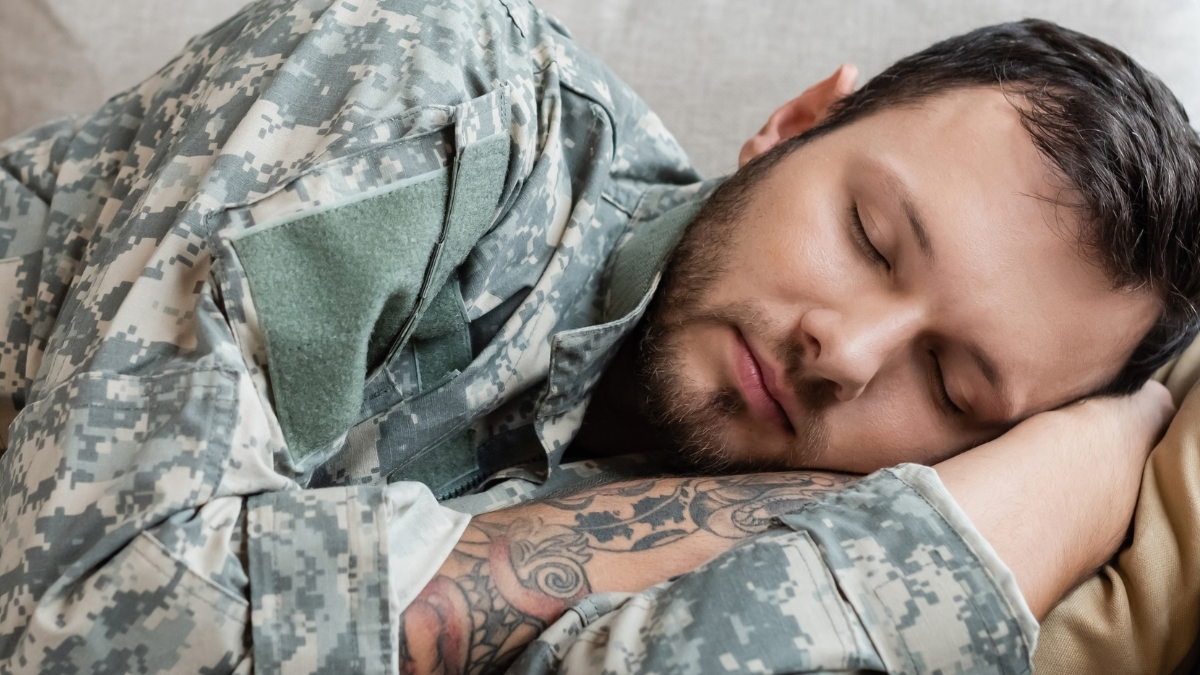
The military sleep method is often discussed as a practical technique developed to help individuals fall asleep quickly, even under stressful or uncomfortable conditions. Its origins are commonly linked to efforts made by military trainers who needed soldiers to remain mentally alert while still getting adequate rest in challenging environments. In situations where noise, stress, and unpredictability were constant, falling asleep quickly became an essential skill rather than a luxury.
Over time, this method gained attention beyond military settings because of its simplicity and structured approach. Unlike many sleep routines that require long preparation or special environments, this method focuses on mental and physical relaxation that can be practiced almost anywhere. The emphasis is not on forcing sleep, but on preparing the body and mind to naturally transition into rest.
What makes this approach particularly interesting is its adaptability. The method does not rely on equipment, supplements, or complex techniques. Instead, it centers on awareness, controlled relaxation, and mental imagery. These elements make it accessible to people from various backgrounds, including those dealing with busy schedules or irregular routines.
By understanding where this method comes from, readers can appreciate its practical foundation. It was not created for comfort or luxury, but for effectiveness. This background helps explain why so many people find it useful in modern life, where stress and overthinking often interfere with sleep.
2. The Role of Physical Relaxation in Falling Asleep Quickly
One of the core principles of the military sleep method is physical relaxation. Many people struggle to fall asleep because their bodies remain tense even when they are lying down. Muscles may be tight due to daily stress, prolonged sitting, or mental pressure, all of which can delay the natural onset of sleep.
The method encourages a deliberate, step-by-step relaxation of the body. Starting from the face and gradually moving downward, attention is given to releasing tension in each muscle group. This process helps signal to the nervous system that it is safe to rest. When the body feels relaxed, the mind often follows.
Physical relaxation is important because it reduces physical distractions. Small discomforts that might otherwise go unnoticed during the day can become amplified at night. By intentionally relaxing muscles, the body becomes more comfortable and receptive to sleep.
This aspect of the method highlights an important truth about sleep: rest is not just a mental state, but a physical one as well. When the body is calm, breathing slows, heart rate stabilizes, and the conditions for sleep naturally improve. The military sleep method uses this understanding to create a structured path toward rest.
3. Mental Calmness as a Key Component of the Method
In addition to physical relaxation, mental calmness plays a crucial role in the military sleep method. Many individuals find that their minds remain active at night, replaying conversations, planning tasks, or worrying about upcoming responsibilities. This mental activity can make falling asleep feel impossible.
The method addresses this by encouraging the clearing of mental clutter. Instead of engaging with thoughts, individuals are guided to let them pass without attachment. This practice reduces mental stimulation and helps shift focus away from stress-inducing ideas.
Mental calmness is not about forcing the mind to be empty, which can feel frustrating. Instead, it is about gently redirecting attention toward neutral or soothing imagery. This shift reduces mental effort and allows the brain to enter a more relaxed state.
By calming the mind, the military sleep method helps break the cycle of overthinking that often disrupts sleep. It creates mental space where rest can occur naturally, without pressure or struggle. This component is especially helpful for those who find their thoughts become louder at night.
4. The Importance of Controlled Breathing
Breathing patterns have a direct impact on the body’s relaxation response, and the military sleep method takes advantage of this connection. Shallow or irregular breathing is often associated with stress, while slow, steady breathing encourages calmness and balance.
The method promotes gentle, controlled breathing as part of the relaxation process. By focusing on slow and even breaths, individuals help regulate their nervous system. This sends a signal to the body that it is time to slow down and prepare for rest.
Controlled breathing also serves as an anchor for attention. When the mind begins to wander, returning focus to breathing provides a simple way to maintain calmness. This reduces mental noise and keeps the relaxation process on track.
Over time, consistent breathing patterns can lower physical arousal and promote a smoother transition into sleep. The military sleep method uses breathing not as a complex exercise, but as a natural tool to support relaxation and sleep readiness.
5. Creating a Sense of Safety and Comfort
A less discussed but equally important aspect of the military sleep method is the creation of a sense of safety and comfort. Sleep is deeply connected to how secure the body and mind feel. When individuals feel unsafe, stressed, or alert, sleep becomes difficult.
The method encourages a mental environment that feels calm and non-threatening. This may involve imagining peaceful scenes or focusing on neutral sensations. Such imagery helps shift the brain away from alertness and toward rest.
Feeling comfortable does not necessarily mean being in a perfect physical environment. Instead, it is about helping the mind interpret the situation as safe enough to rest. This is particularly useful for people who struggle to sleep in unfamiliar places or during stressful periods.
By reinforcing a sense of calm and security, the military sleep method supports the body’s natural ability to fall asleep. This psychological comfort complements physical relaxation and breathing, making the overall technique more effective and approachable.