




Why Does Your Body Jerks When You Fall Asleep? Understanding the Science Behind Sleep Jerks
If you’ve ever experienced a sudden jerk or twitch right as you’re about to fall asleep, you’re not alone. Many people experience what is known as a hypnic jerk or sleep start. It can feel like a sudden, involuntary spasm or the sensation of falling, and it often jolts you awake. While it’s a normal and relatively common occurrence, you might be wondering: why does your body jerk when you fall asleep? In this article, we’ll dive into the science behind this phenomenon, its causes, and whether or not it’s something to be concerned about.
What is a Hypnic Jerk?
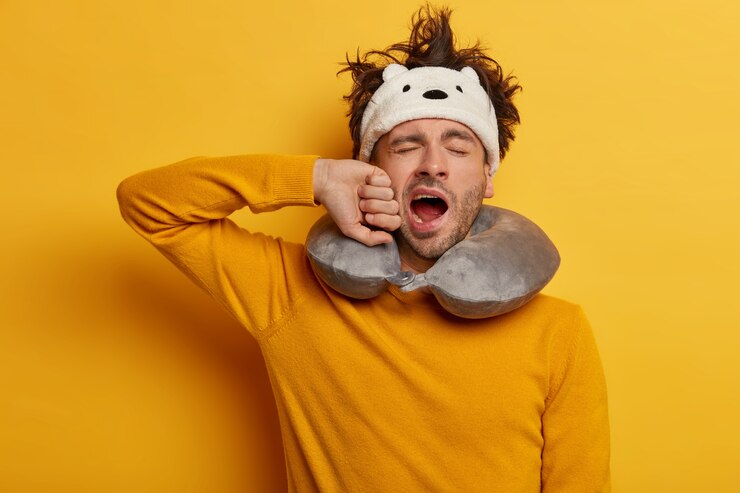
A hypnic jerk (also known as a sleep start) is a sudden, involuntary muscle spasm that typically occurs as you transition from wakefulness to sleep. This phenomenon happens most commonly during the lighter stages of sleep, specifically in the early part of NREM sleep (non-rapid eye movement sleep). The hypnic jerk is generally brief and can be accompanied by the sensation of falling, which is why some people mistakenly believe they are about to drop or lose control.
While it can be startling, this phenomenon is usually harmless and is considered a normal part of the sleep process.
Why Does Your Body Jerks When You Fall Asleep?
The exact cause of hypnic jerks isn’t entirely understood, but there are several theories that can explain why they occur. Below are the main scientific explanations for why your body jerks when you fall asleep.
1. Muscle Relaxation and Brain Misinterpretation
As you begin to relax and drift into sleep, your body’s muscles start to unwind, and your heart rate and breathing slow down. During this time, your brain might misinterpret these signals as the sensation of falling or losing control. This leads to a sudden response from the brain, which sends a signal to your muscles to contract or twitch.
This is your body’s way of “catching” itself from what it perceives as a fall. It’s similar to the sensation you might feel if you trip or lose balance while awake. However, because you’re already on the verge of sleep, the response becomes exaggerated in the form of a jerk.
2. Evolutionary Survival Mechanism
Another theory suggests that the hypnic jerk could be an evolutionary survival mechanism. In ancient times, our ancestors would sleep in environments where they were vulnerable to predators or environmental threats. A sudden jerk might have been a way for the body to remain alert and avoid falling into a deep sleep while still being aware of potential danger. This instinctive reaction could have been a survival tactic to keep the body ready for action in case of a threat.
3. Changes in Brain Activity During Sleep Onset
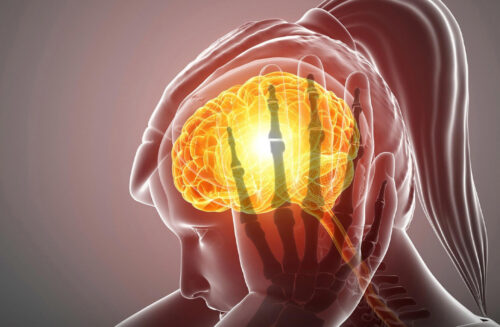
When you first fall asleep, your brain transitions from a state of wakefulness to the initial stages of light sleep. During this transition, brain activity slows down, but there is still some lingering activity from the waking state. It’s during this time that hypnic jerks are most likely to occur. As your brain switches gears, there’s a possibility that electrical impulses misfire, resulting in a twitch or jerk as the body relaxes.
This transition from one state to another is a delicate process, and the brain can sometimes misfire in its effort to shift between sleep and wakefulness.
4. Heightened Stress or Anxiety
Stress and anxiety are other common triggers for hypnic jerks. When you’re feeling stressed or anxious during the day, your body remains tense and your nervous system stays in an alert state. As you try to relax and fall asleep, this heightened state of arousal can contribute to muscle twitches, jerks, or spasms.
The more stressed you are, the more likely your nervous system is to react when you finally try to relax and sleep. Hypnic jerks can, therefore, be a side effect of anxiety or emotional strain, reflecting the body’s struggle to let go of the tension built up during the day.
5. Caffeine or Stimulants
Another possible cause of sleep starts is the consumption of caffeine or other stimulants. Caffeine is a stimulant that affects the central nervous system and can interfere with your body’s ability to relax. Drinking coffee, tea, or energy drinks close to bedtime can cause hyperactivity in the brain and nervous system, making you more prone to hypnic jerks as you try to fall asleep.
Additionally, other substances such as certain medications or recreational drugs might also affect your sleep cycle, increasing the likelihood of sleep starts.
Are Hypnic Jerks Harmful?
For most people, hypnic jerks are completely harmless and do not indicate a serious medical condition. They are simply a natural part of the sleep cycle. However, if you experience hypnic jerks frequently, or if they are disrupting your ability to fall asleep, there are a few strategies you can try to reduce their occurrence.
How to Reduce Sleep Jerks:
- Relax Before Bed: Engage in relaxing activities before sleep, such as reading, taking a warm bath, or practicing deep-breathing exercises. This can help calm your nervous system and make it easier for your body to transition into sleep.
- Reduce Stress: Chronic stress can make sleep jerks more frequent. Stress-management techniques such as mindfulness, yoga, or journaling may help reduce overall anxiety and the frequency of hypnic jerks.
- Limit Stimulants: Avoid caffeine, nicotine, and other stimulants in the hours leading up to bedtime. These substances can increase the likelihood of jerks and other sleep disturbances.
- Maintain a Consistent Sleep Schedule: Try to go to bed and wake up at the same time each day. A regular sleep schedule can help your body better prepare for sleep and reduce the chance of muscle twitches or jerks.
- Exercise Regularly: Regular physical activity can promote relaxation and help you fall asleep more easily. However, avoid vigorous exercise too close to bedtime, as it may make it harder to wind down.
When Should You See a Doctor?
In most cases, hypnic jerks are not something to be concerned about. However, if you experience frequent sleep disturbances that prevent you from getting restful sleep, or if your jerks are accompanied by other symptoms like sleepwalking, insomnia, or chronic fatigue, it may be worth seeking advice from a healthcare professional. In rare cases, hypnic jerks can be a symptom of an underlying condition like restless leg syndrome or sleep apnea.
Conclusion
The science behind why your body jerks when you fall asleep can be attributed to natural bodily processes, including muscle relaxation, brain miscommunication, or even evolutionary survival mechanisms. Hypnic jerks are typically harmless and a normal part of the sleep cycle, but they can be influenced by external factors like stress, anxiety, or caffeine. If you experience frequent or disruptive jerks, taking steps to relax before bed and improving your overall sleep hygiene can help reduce their occurrence.
Understanding the reasons behind sleep jerks can help alleviate any concerns you may have about this common phenomenon. So, the next time you experience a sudden twitch as you’re falling asleep, rest assured that your body is simply doing what it’s designed to do as it transitions into sleep.